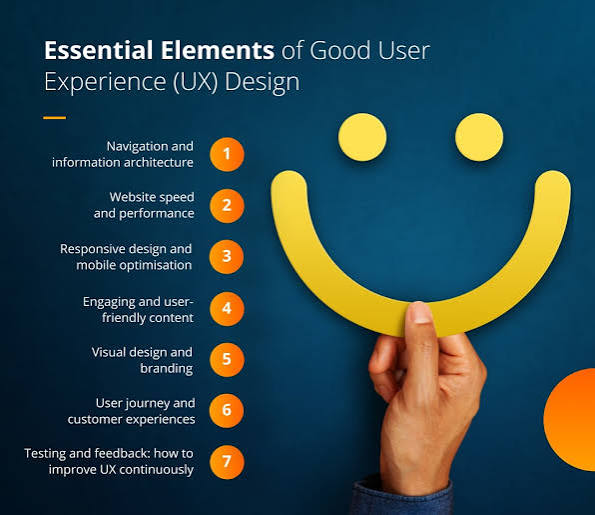

In today’s digital world, user experience (UX) has become one of the most important factors in determining the success of a website or online business. Whether you run a blog, an eCommerce store, or a corporate website, providing visitors with an enjoyable and seamless experience can significantly improve engagement, conversions, and customer loyalty. If you want to explore more online resources, visit qqmacan for additional insights. A well-designed user experience not only helps users achieve their goals quickly but also builds trust and encourages them to return.
What Is User Experience?
User experience refers to the overall impression and satisfaction a visitor has while interacting with your website, application, or digital platform. It includes everything from website speed and navigation to visual design, accessibility, and content quality.
A positive user experience ensures that visitors can easily find the information they need, complete tasks without frustration, and enjoy the overall interaction with your platform.
Why User Experience Matters
Improving user experience offers several benefits that directly impact your website’s performance. Some of the most significant advantages include:
- Higher visitor satisfaction
- Increased customer retention
- Better search engine rankings
- Improved conversion rates
- Lower bounce rates
- Enhanced brand reputation
When users enjoy using your website, they are more likely to spend additional time exploring your content and recommending your business to others.
1. Improve Website Loading Speed
One of the quickest ways to improve user experience is by optimizing your website’s loading speed. Users expect websites to load within a few seconds, and delays often result in visitors leaving before the page fully loads.
You can improve loading speed by:
- Compressing images
- Reducing unnecessary code
- Using browser caching
- Choosing reliable web hosting
- Minimizing redirects
A faster website creates a smoother browsing experience and improves customer satisfaction.
2. Make Navigation Simple
Visitors should never struggle to find information. A clear navigation structure helps users move through your website effortlessly.
Best practices include:
- Organize menus logically
- Limit the number of navigation items
- Include a search function
- Add breadcrumb navigation
- Keep important pages easy to access
Simple navigation reduces confusion and keeps visitors engaged.
3. Create Mobile-Friendly Designs
A significant percentage of internet traffic comes from smartphones and tablets. Your website must function perfectly across all screen sizes.
Responsive design ensures that:
- Text remains readable
- Buttons are easy to tap
- Images resize correctly
- Menus work smoothly
- Pages load efficiently on mobile devices
A mobile-friendly website improves accessibility for every visitor.
4. Focus on Readability
Content should be easy to read and understand. Large blocks of text often discourage readers from continuing.
Improve readability by:
- Using short paragraphs
- Writing clear headings
- Including bullet points
- Selecting readable fonts
- Maintaining sufficient spacing
Well-structured content keeps users interested and helps them absorb information more effectively.
5. Use Consistent Design Elements
Consistency creates familiarity and professionalism. Every page should follow the same design principles.
Maintain consistency with:
- Matching color schemes
- Uniform typography
- Similar button styles
- Consistent spacing
- Standard icon designs
A cohesive design helps users navigate without confusion.
6. Improve Accessibility
Accessible websites allow everyone, including individuals with disabilities, to use your content effectively.
Accessibility improvements include:
- Adding descriptive image alt text
- Using sufficient color contrast
- Supporting keyboard navigation
- Providing clear labels for forms
- Writing descriptive links
Inclusive design benefits all visitors and expands your audience.
7. Write Clear Calls-to-Action
Calls-to-action (CTAs) guide users toward desired actions, whether it’s making a purchase, subscribing to a newsletter, or contacting your business.
Effective CTAs should:
- Use action-oriented language
- Stand out visually
- Be easy to locate
- Clearly explain the benefit
- Avoid overwhelming users
Simple and direct CTAs increase conversions.
8. Reduce Visual Clutter
Too many design elements can overwhelm visitors. Clean layouts make websites easier to understand.
Reduce clutter by:
- Removing unnecessary graphics
- Limiting animations
- Using white space effectively
- Highlighting essential information
- Keeping layouts organized
Minimalist design often leads to a better user experience.
9. Build Trust with Professional Design
Trust is essential for encouraging visitors to interact with your website.
You can build credibility by:
- Displaying accurate contact information
- Using professional branding
- Maintaining updated content
- Providing clear privacy policies
- Ensuring secure browsing
Trustworthy websites encourage users to stay longer and return in the future.
10. Optimize Forms
Long or confusing forms often discourage users from completing them.
Improve forms by:
- Requesting only necessary information
- Using clear field labels
- Displaying validation messages
- Keeping forms short
- Making submission buttons visible
Easy-to-complete forms improve conversion rates.
11. Use High-Quality Images
Visual content greatly influences first impressions.
Choose images that are:
- High resolution
- Relevant to your content
- Properly compressed
- Professionally designed
- Consistent with your branding
Strong visuals make your website more attractive without sacrificing speed.
12. Keep Content Updated
Outdated information can reduce user confidence.
Regular updates help:
- Maintain accuracy
- Improve SEO
- Increase credibility
- Encourage repeat visits
- Reflect current trends
Fresh content demonstrates that your website remains active and reliable.
13. Personalize User Experiences
Personalization helps visitors feel valued by showing relevant recommendations based on their interests.
Examples include:
- Product recommendations
- Personalized greetings
- Customized content
- Saved preferences
- Recently viewed items
Personalization can significantly improve user engagement.
14. Test Your Website Regularly
Continuous testing helps identify usability issues before they affect users.
Common testing methods include:
- User feedback surveys
- A/B testing
- Heatmaps
- Session recordings
- Performance monitoring
Regular improvements ensure your website continues meeting user expectations.
15. Listen to User Feedback
Your visitors often provide valuable suggestions for improvement.
Collect feedback through:
- Contact forms
- Customer surveys
- Live chat
- Product reviews
- Social media interactions
Analyzing feedback helps prioritize meaningful updates.
Common User Experience Mistakes to Avoid
Even well-designed websites can suffer from UX issues. Avoid these common mistakes:
- Slow loading pages
- Confusing navigation
- Excessive advertisements
- Poor mobile optimization
- Tiny fonts
- Broken links
- Complicated checkout processes
- Inconsistent design
- Pop-ups that interrupt browsing
- Difficult-to-read content
Eliminating these problems creates a smoother experience for visitors.
Measuring User Experience Success
Tracking performance helps determine whether UX improvements are effective.
Useful metrics include:
- Bounce rate
- Average session duration
- Conversion rate
- Page load speed
- Customer satisfaction
- Return visitor percentage
- Task completion rate
Regular analysis allows businesses to make informed decisions for future improvements.
Final Thoughts
Improving user experience is an ongoing process that requires attention to design, functionality, accessibility, and performance. Small improvements, such as faster loading times, clearer navigation, responsive layouts, and readable content, can have a major impact on visitor satisfaction and business success. By focusing on the needs of your audience and continuously refining your website, you can create an engaging digital experience that encourages visitors to stay longer, interact more, and return frequently.