
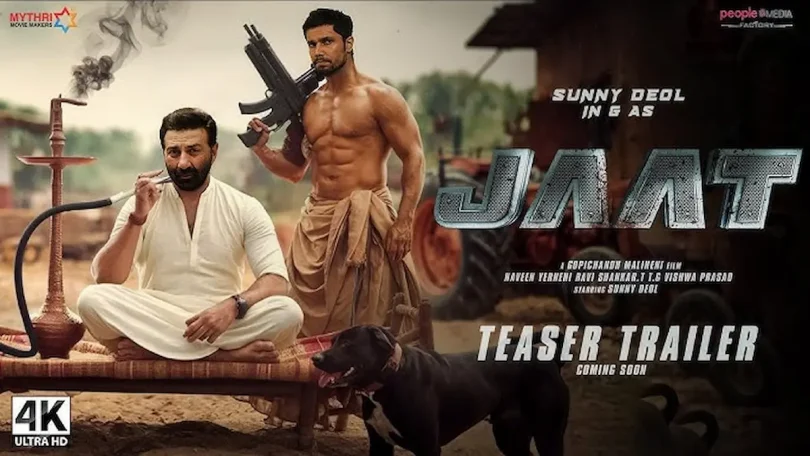

In the modern film industry, trailers are more than just a sneak peek—they are a vital part of a movie’s marketing strategy. Studios carefully plan when and how to release teaser trailers, full-length previews, and final trailers to maximize audience engagement, hype, and ticket sales.
Understanding the official trailer release schedule helps fans know when to expect new content and allows them to follow the build-up to a film’s premiere more closely.
In this article, we explore the typical trailer release phases, why timing matters, real-world examples, current trends, and tips for movie enthusiasts to stay ahead of every trailer drop.
Why the Trailer Release Schedule Matters
Timing is crucial in trailer marketing for several reasons:
- Hype Generation: Trailers build anticipation for the movie. Releasing them too early can fatigue audiences, while releasing them too late may not give enough time to create excitement.
- Strategic Marketing: Trailers are often timed to coincide with major events like Comic-Con, film festivals, or award shows to maximize visibility.
- Audience Engagement: A structured schedule keeps the audience continuously engaged with multiple teaser, trailer, and promotional phases.
- Competition Awareness: Scheduling ensures the trailer doesn’t get overshadowed by other big releases or events, maintaining visibility in a crowded entertainment market.
Phases of an Official Trailer Release Schedule
Hollywood studios often follow a multi-phase approach when releasing movie previews. Each stage has a distinct purpose:
1. Teaser Trailer / First Look
- Timing: 6–12 months before release
- Length: 30–90 seconds
- Purpose: Introduce the film’s world, tone, or main characters without revealing plot details.
- Content Focus: Iconic imagery, suspenseful moments, or short lines of dialogue to spark curiosity.
- Example: Avatar: Fire and Ash released a teaser introducing the Ash Clan and Pandora’s new environments long before its main trailer.
2. Main Official Trailer
- Timing: 4–8 months before release
- Length: 2–3 minutes
- Purpose: Provide more detailed insight into the story, introduce major characters, and hint at conflicts.
- Content Focus: Storyline, action sequences, emotional arcs, and dramatic moments to create excitement.
- Example: Zootopia 2 dropped its main trailer months ahead of release, showing Judy Hopps and Nick Wilde in a darker, more intricate city mystery.
You may also like it:
Celebrity Relationship News: Latest Star Couples & Breakups
OTT Movie Review Updates | Latest Streaming Reviews Guide
Simple Movie Rating Today – Quick & Clear Movie Guide
Movie Collection Report Today – Daily Box Office Updates
3. Secondary Teaser / Mid-Campaign Trailer
- Timing: 3–4 months before release
- Length: 1–2 minutes
- Purpose: Add new footage, reveal secondary characters, or highlight new story elements not in previous trailers.
- Content Focus: Often a mix of teaser and full trailer, reinforcing the film’s narrative or action sequences.
4. Final / Theatrical Trailer
- Timing: 1–2 months before release
- Length: 2–3 minutes
- Purpose: Final push for ticket sales and engagement, combining the most exciting moments of the film.
- Content Focus: High-energy action, drama, key story beats, and emotional peaks to attract the widest audience.
- Example: Mission: Impossible – The Final Reckoning released its theatrical trailer featuring high-stakes stunts and intense sequences, creating massive fan engagement.
5. TV Spots and Social Media Promos
- Timing: Weeks leading up to release
- Length: 15–30 seconds
- Purpose: Short promotional clips designed for television, social media, or online advertising.
- Content Focus: Highlight key scenes or dialogue, often different from the official trailer, aimed at mass exposure and reminders.
Recent Real-World Trailer Release Examples

- Avatar: Fire and Ash: Teaser released months in advance, main trailer followed close to the official release window.
- Project Hail Mary: Trailer expected 3–4 months before the film’s release, giving audiences a glimpse of the space adventure storyline.
- The Super Mario Galaxy Movie: First teaser released during a Nintendo Direct event months before the scheduled April 2026 release.
These examples highlight how studios combine teaser, trailer, and final promotional clips to maximize audience engagement and create anticipation.
Current Trends in Trailer Releases
- Early Digital Teasers: Studios release short digital clips months in advance, particularly for highly anticipated franchises.
- Event-Based Releases: Comic-Con, D23, or live-stream events are popular times to debut trailers for maximum exposure.
- Social Media First Looks: Instagram, TikTok, and Twitter/X are now primary channels for teaser drops.
- Streaming Synchronization: Trailers are increasingly aligned with streaming release announcements.
- Flexible Scheduling: Studios adapt trailer releases based on production timelines, competition, or audience demand.
Tips for Fans to Track Official Trailer Releases
- Subscribe to Studio Channels: YouTube is the main hub for official releases.
- Follow Social Media Accounts: Stay updated with announcements from actors, directors, and studios.
- Use Movie News Websites: Sites and apps often list upcoming trailers with release dates.
- Enable Notifications: Turn on alerts for channels and pages to catch trailers immediately.
- Participate in Fan Communities: Reddit, Discord, and fan forums often share insider details and analysis.
- Mark Event Dates: Trailers often drop alongside conventions, livestreams, or special announcements.
Why Understanding Trailer Schedules Enhances Your Experience
By understanding the official trailer release schedule, fans can:
- Watch trailers as soon as they drop
- Follow the story build-up from teaser to theatrical trailer
- Engage in fan discussions and predictions early
- Plan movie releases to attend or stream
This knowledge ensures you never miss exciting content and gives you a front-row seat to every marketing reveal.
Conclusion
The official trailer release schedule is a carefully designed roadmap used by Hollywood studios to build anticipation, maximize engagement, and guide audiences toward theaters or streaming platforms. From teaser trailers to theatrical releases and social media promos, each stage plays a strategic role in creating excitement for the movie.
For fans, staying informed about trailer schedules allows you to catch every sneak peek, analyze new footage, and enjoy the full anticipation of a film’s journey from announcement to release.
FAQs About Official Trailer Release Schedule
1. What is an official trailer release schedule?
It is a planned timeline by studios detailing when teasers, main trailers, and final trailers will be released for a movie.
2. Why do studios follow a trailer release schedule?
To build hype gradually, engage audiences effectively, and maximize marketing impact leading up to the movie’s release.
3. How far in advance are trailers usually released?
Teasers may drop 6–12 months before the release, main trailers 4–8 months prior, and final trailers 1–2 months before the movie.
4. Where can I watch official trailer releases?
Official studio YouTube channels, social media accounts of studios or actors, streaming platforms, and movie news websites.
5. What are the typical types of trailers in a schedule?
Teaser trailer, main official trailer, secondary teaser/mid-campaign trailer, theatrical/final trailer, and short TV or social media promos.
6. How can I stay updated on upcoming trailer releases?
Subscribe to studio channels, follow social media accounts, enable notifications, use movie news sites, and join fan communities.


